

A good product TVC proposal is not a collage of selling points, taglines and storyboards.
It answers three questions:
Why do users need it,
why would they choose it,
and what should the film say?
Pufuf has turned this product TVC planning process into an actionable SOP, helping advertising professionals move from clarifying requirements to a complete proposal, step by step.
1. First, be clear: what problem is this film supposed to solve?
The first step in writing a product TVC proposal is not coming up with ideas. It is defining the boundaries of the project.
Get four things clear first:
- In which situations the product is mainly used;
- Whether the film is a short-term placement or will be reused long-term;
- What constraints exist on length, versions and mandatory information;
- What the film's single most important goal is: awareness, understanding, consideration, or driving purchase.
Take the same smart home appliance as an example:
- If the goal is a new launch, the focus may be building awareness quickly;
- If the goal is e-commerce conversion, the focus may be helping users understand the features and reasons to buy;
- If the goal is long-term brand communication, the focus may be connecting the product with a lifestyle.
- …

Case: Nike, Winning Isn’t Comfortable
https://www.youtube.com/watch?v=dB0HqvnoEkU
Nike’s brand expression has long revolved around winning: victory, breakthroughs, becoming a better version of yourself. This time, instead of saying “winning is glorious”, Nike put forward a seemingly opposite idea: Winning Isn’t Comfortable.
The tension lies here: if Nike has always talked about winning, why emphasize “uncomfortable” this time?
Through the real pain of runners in training, racing and recovery, the film tells viewers that winning does not mean the process is easy. Real victory usually comes with exhaustion, pain and struggle.
The benefit of this contrast is that it doesn’t weaken Nike’s “winning”. It makes “winning” more believable:
- It makes the brand claim more persuasive: no longer just shouting “win”, but admitting the price of winning;
- It makes the brand more three-dimensional: Nike doesn’t just push people to sprint, it also understands what athletes go through;
- It gives the product a natural place: the running shoes don’t need to be introduced on their own, they simply appear in runners’ real training and races;
- It creates emotional identification: people who are persisting, hurting, yet refusing to give up feel the line is about them.
So you can see:
What problem does this film solve?
It finds a new angle that gives an existing brand claim new meaning.
2. Don’t rush to write selling points. Find the user’s real pain point first
A selling point is “what we have”. A pain point is “why the user needs it”.
You can analyze it on three levels:
Level one: the surface problem
What specific trouble does the user run into?
For example:
- Cooking takes too long;
- Organizing files is inefficient;
- The body feels uncomfortable after running;
- The footage is shaky when filming.
Level two: the usage pain point
Why does this problem affect the user?
For example:
- Cooking eats into time with family;
- Messy files lead to repeated rework;
- Discomfort while running makes it hard to keep going;
- Shaky footage makes content look unprofessional.
Level three: the deeper need
What does the user really want?
It might be:
- A more relaxed life;
- More efficient work;
- A greater sense of control;
- The confidence to get something done.
Case: Kit Oisix, turning “convenient” into “I still made it myself”
Oisix launched semi-prepared meal kits for busy families. It found that many mothers who cook were not simply after “the faster the better”. They wanted to save time between work, housework and childcare, but didn’t want to feel they were just reheating ready-made food for their families. Research mentioned that some consumers felt guilty about “not really cooking” even when using prepared dishes.
So Kit Oisix did not remove every step. It kept a few simple cooking actions: the carrots come pre-cut, but the user still cuts the chives and enoki mushrooms; seasoning and pairing suggestions are included so the user can finish the dish.
The real pain point captured here is not “mom has no time to cook”. It is: mom has no time to cook, but doesn’t want to lose the sense of “I’m cooking for my family”.
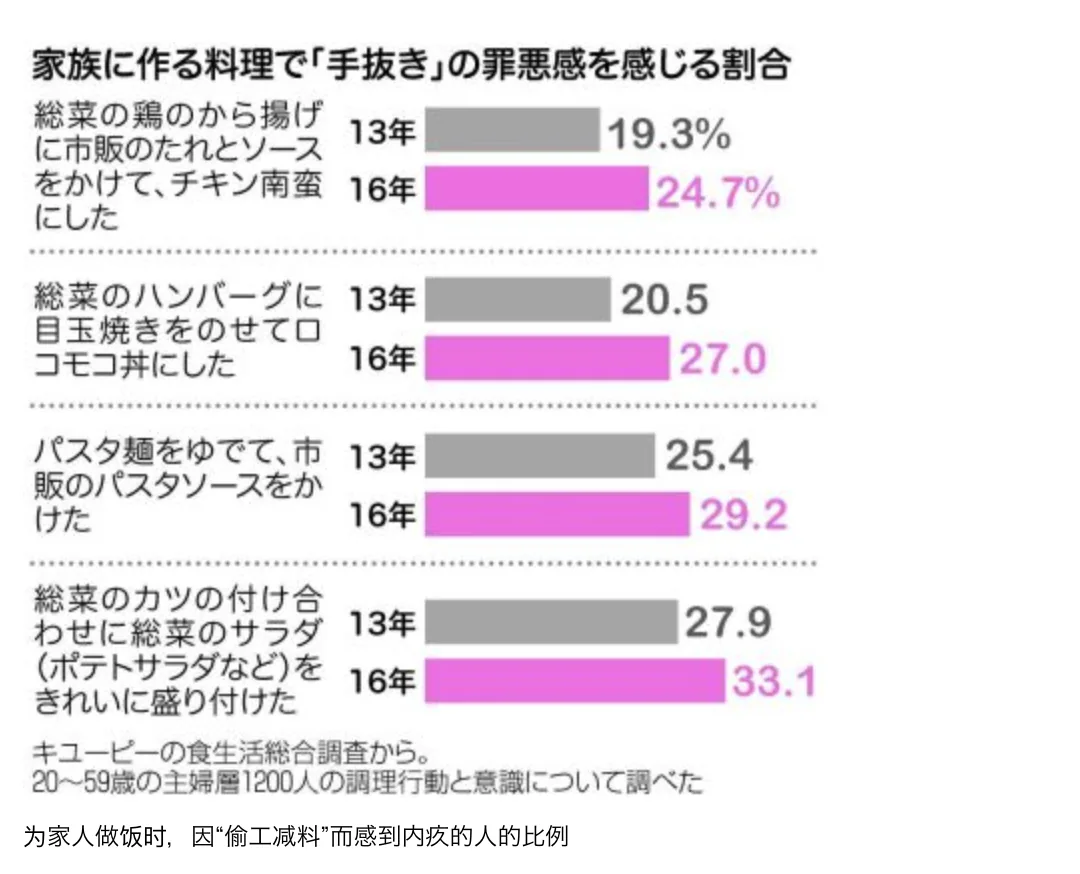
This is a very valuable deeper need. On the surface the user is buying “time saved”, but they also want: I really did cook for my family; this meal wasn’t just heated up; I can adjust it to my family’s taste; I still have the satisfaction of taking care of them. Oisix’s solution was not simply fewer steps, but just the right amount of involvement. It turned the original conflict between “convenient” and “homemade” into product value. Reports also noted that Kit Oisix kept growing after launch and became an important part of Oisix’s business.
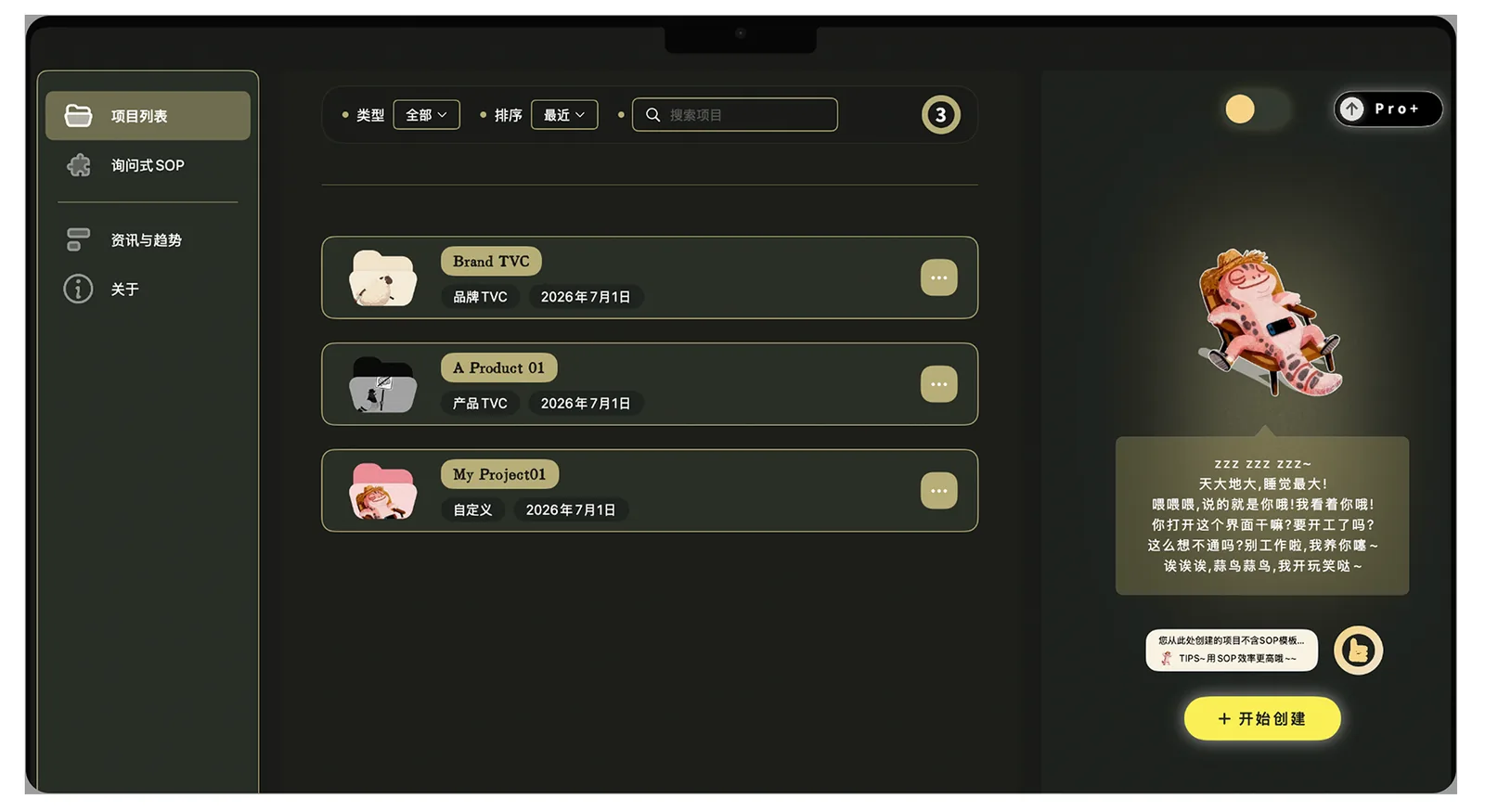
If you don’t want to start from scratch, hand it to Pufuf
When writing a proposal, the easiest place to get stuck is the thinking itself.
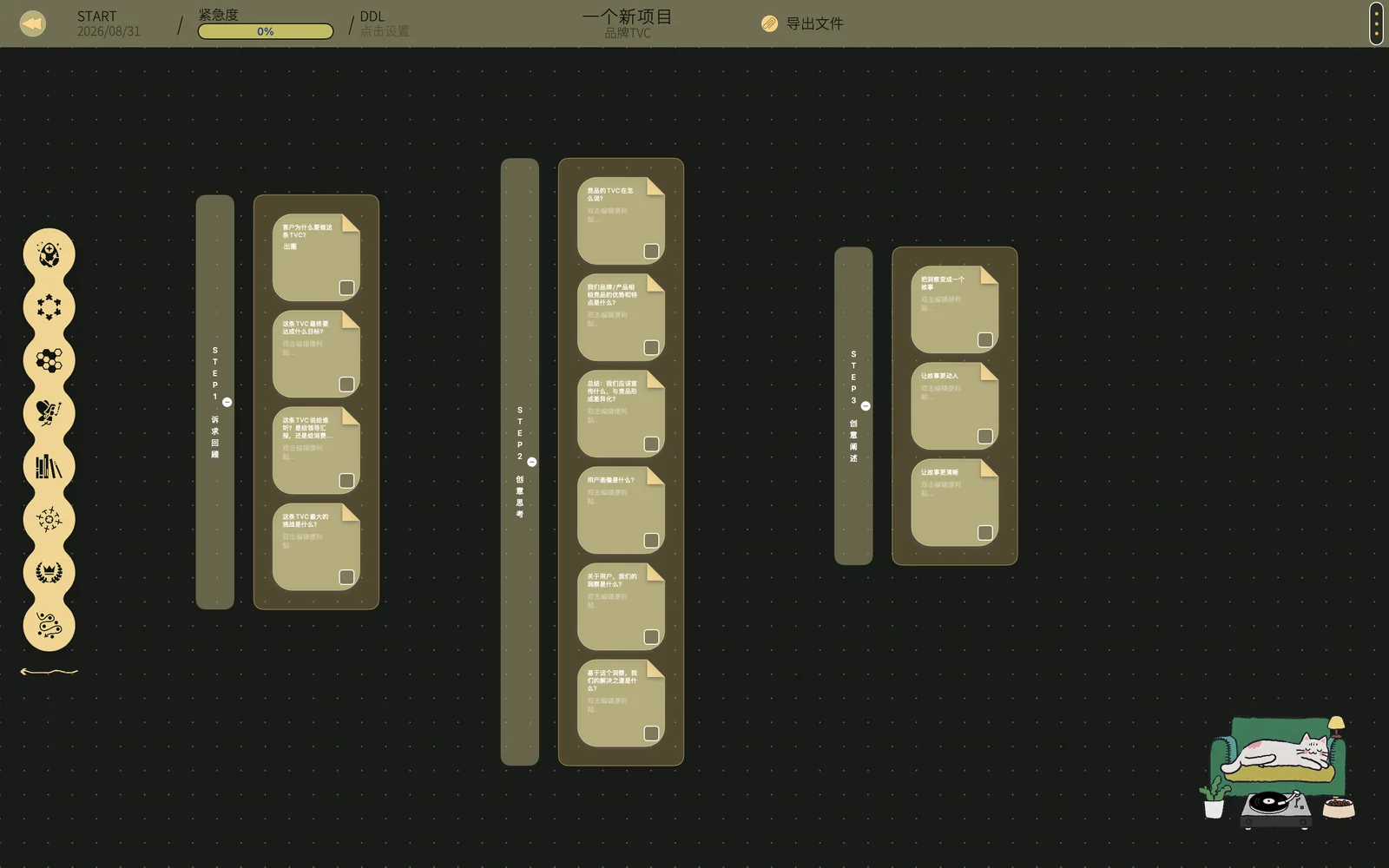
The Pufuf app has already mapped out agency-grade SOPs for different project types,
presented as guiding questions. You just answer them step by step, without reinventing the wheel.
Save your time for the BIG IDEA!
3. Check whether the pain point is a real need or something the planner imagined
A pain point doesn’t hold up just because it “sounds reasonable”.
Verify at least three things:
- Whether users run into this problem often;
- Whether the problem affects purchase or usage decisions;
- Whether users are already solving it in other ways.
For example, “young people need a more premium water bottle” may just be a vague assumption.
But if you go further and find that:
- Users often use bottles at the office, at the gym and on the commute;
- Ordinary bottles leak, are hard to clean and inconvenient to carry;
- Users are already willing to pay more for insulation, portability or a good seal;
Only then does the problem have a real connection to the product.
The proposal doesn’t need to include all the research data, but it should at least explain:
where this pain point comes from, and why it is worth solving.
4. Competitor analysis isn’t a list of brands. It’s about finding unmet expectations
Competitor analysis shouldn’t stop at:
- What competitor A has;
- What competitor B has;
- We have one more feature than they do.
What matters more is analyzing:
- How competitors solve the user’s problem;
- What users value most about them;
- What users are least satisfied with;
- Whether we can solve the same problem in a different way.
The conclusion you want is not “our product is better”, but:
Why should users choose us instead of the alternatives that already exist?
5. Turn the user profile into a real person, not a demographic table
Age, gender, city and income help describe a group, but they don’t directly help us write a story.
Useful user analysis goes on to answer:
- In what situation they come into contact with the product;
- Through which channels they learn about it;
- When they make the decision to buy or use it;
- What they do when they run into the problem;
- Why they still haven’t chosen this kind of product.
For example, “white-collar workers aged 25–35 in tier-one cities” is too broad.
It can be made more specific:
A young father who often works late and has no time to cook. When he gets home on weekday evenings, he wants to get dinner done quickly while keeping time to be with his child.
Only a user archetype like this can be turned into film scenes.
6. Distill one genuinely useful insight from the user’s pain point
An insight is not the pain point rephrased.
For example:
- Pain point: young people don’t have time to exercise;
- Ordinary conclusion: young people need a more convenient way to exercise;
- Insight: many people don’t lack the will to exercise. They just don’t want to rearrange their lives for it.
Insights usually come from contradictions:
- Wanting to be healthy, but not wanting to sacrifice time;
- Wanting efficiency, but not wanting to learn complicated tools;
- Wanting to express yourself, but being afraid of judgment;
- Wanting a quality life, but reality doesn’t allow it…
So an insight can usually be expressed in one sentence pattern:
“…but actually…”
7. Turn the insight into a creative concept that can be filmed
A good creative concept should meet three conditions at once:
- It relates to the user insight;
- It relates to the product’s solution;
- It can be turned into concrete images.
For example:
Users want to get housework done quickly, but don’t want to sacrifice their time for living.
This can be developed into:
- Insight: what’s truly scarce isn’t time, but uninterrupted time with family;
- Product solution: more efficient features that cut the time spent on housework;
- Creative concept: give the time saved back to life.
Now the idea isn’t just “efficient living”. It can keep developing into:
- A family finally finishing a meal together;
- A father having time to finish a block tower with his child;
- A couple no longer arguing over who does the chores;
- A user stepping out of chaos and back into life.
8. Land the concept in 3–5 concrete usage scenes
Scenes are not there to pad the numbers. They prove that the product’s value holds up across different real situations.
Each scene should include at least:
- Who is using it;
- In what situation they run into the problem;
- How the product steps in;
- What changes after using it.
For example, a productivity tool might choose:
- A freelancer organizing client materials;
- An ad professional preparing a last-minute pitch;
- A small team revising files together;
- A user finishing a delivery just before the deadline.
If every scene just repeats “open the product, tap a feature, problem solved”, the film will look like a product demo.
A better approach is to let each scene show a different user benefit.
9. Write the story in one sentence, then decide on the format
If you can’t tell the story in one sentence, the story isn’t clear enough and neither is the idea.
Advertising is not fine art. The public shouldn’t need a barrier to understanding.
Case: Volvo, The Epic Split
The film has a man do the splits between two reversing trucks, directly demonstrating the vehicles’ precise control and stability. Rather than explaining the product with a pile of technical specs, it designed an extreme scene the audience understands at a glance. Takeaway: when a selling point can be proven directly, look first for an expression that is “understood at a glance” instead of piling on explanations.
https://www.youtube.com/watch?v=M7FIvfx5J10
10. How to structure the final proposal
A complete product TVC proposal can follow this structure:
1. Project background
- Product information;
- Market context;
2. Brief recap
- Core usage scenarios;
- Campaign period;
- Length and versions;
- Mandatory information;
- Alignment on project objectives;
3. Product and user analysis
- Core pain point;
- Validation of the real need;
- How competitors solve it;
- Users’ unmet expectations;
- The product’s unique solution;
- Benefits specific to the user.
4. Creative strategy
- Core insight;
- Pain point, desire or delight;
- One-line benefit;
- Creative challenge;
- Creative direction.
5. Creative overview
- Core concept;
- 3–5 usage scenes;
- The story in one sentence;
- Story structure;
- Format;
- How the product appears.
6. Film execution
- Tone;
- Visual style;
- Voice-over or caption direction;
- Music and sound;
- Key frames;
- How versions are extended.
A product TVC proposal has a lot to cover.
Pufuf’s product TVC planning SOP is designed around exactly this workflow.
In the app, you can:
- Enter the project background;
- Fill in or organize the planning information you already have;
- Let AI generate multiple creative directions from it;
- Keep revising, adding and refining;
- Export a proposal ready for pitching or delivery.
It works best when:
- You’ve just received a new product brief and need a thinking framework fast;
- You already have lots of material but don’t know how to organize it;
- You have an early idea and need to fill in the user, competitor and strategy logic;
- You need several TVC directions ready for discussion in limited time.
If you’re writing a product TVC proposal, you can start right in Pufuf.